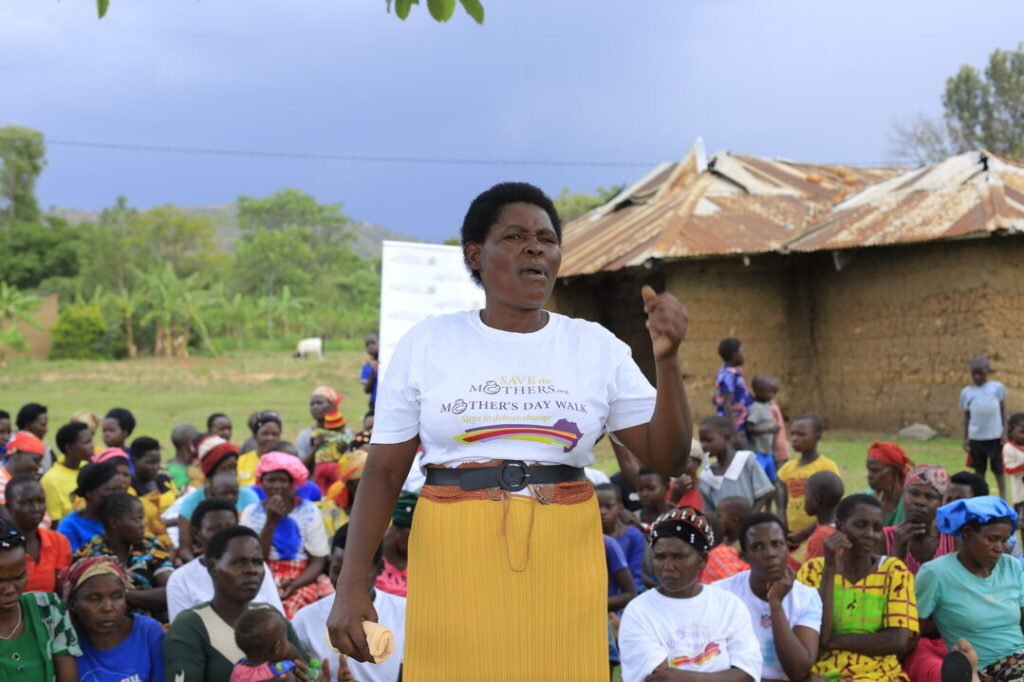
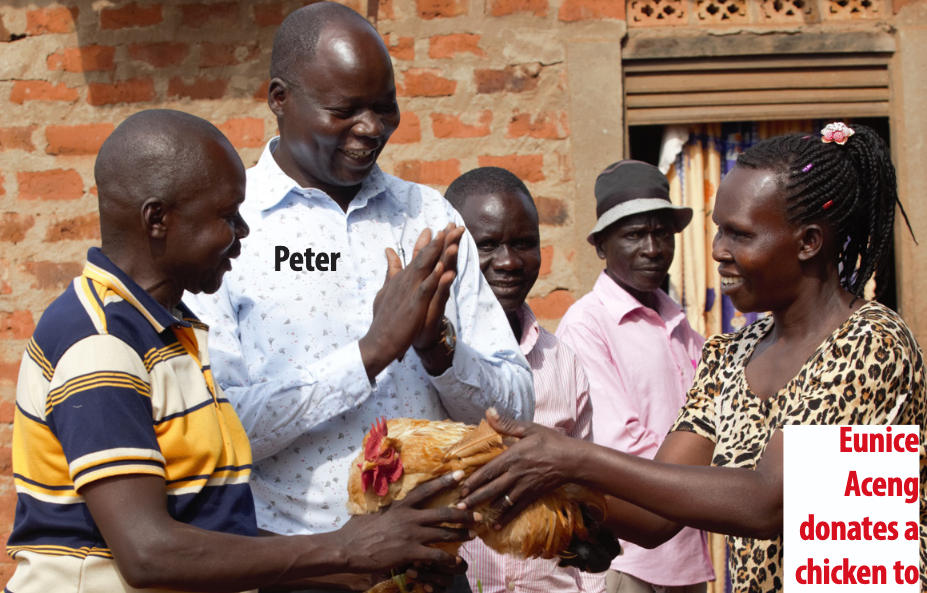
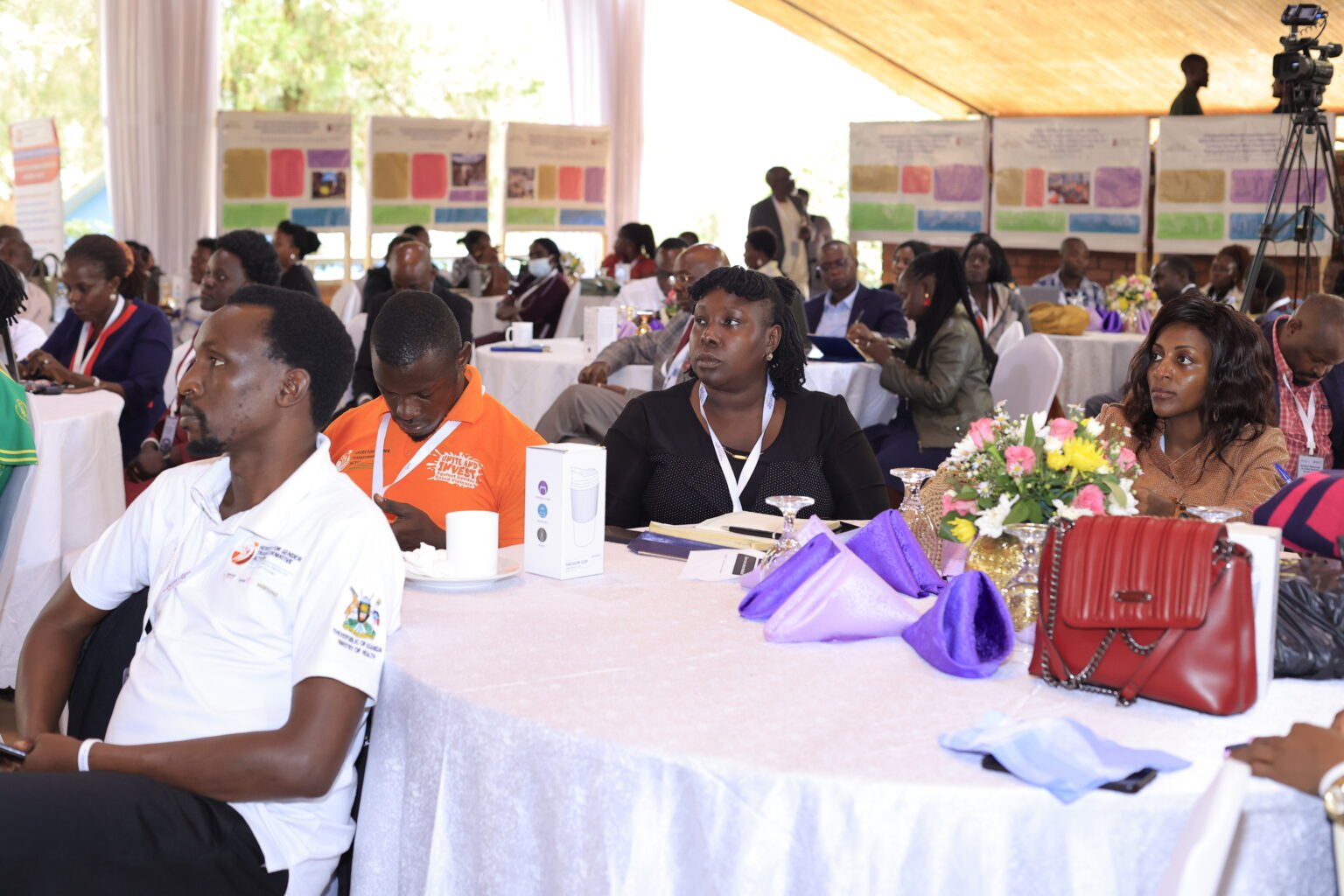
Save the Mothers East Africa (STM) advances maternal and newborn health through leadership development, health systems strengthening, community engagement, research, advocacy, and partnerships.
We work with professionals, health facilities, communities, government institutions, and development partners to develop sustainable solutions that improve the survival and well-being of mothers and newborns.
Master of Public Health Leadership (MPHL)
The Master of Public Health Leadership (MPHL) is a multidisciplinary graduate program delivered in partnership with Uganda Christian University since 2005.
The program was established on the understanding that maternal and newborn mortality is not solely a health sector challenge. Social, economic, cultural, educational, legal, and governance factors all influence the health and well-being of mothers and newborns.
MPHL equips professionals from diverse sectors including health, education, law, media, government, faith-based organizations, civil society, business, and community development with the knowledge, skills, and leadership competencies needed to drive change within their communities and institutions.
Designed for working professionals, the program is delivered through a flexible two-year blended learning model that combines online and onsite learning. Students apply their learning directly to real-world maternal and newborn health challenges through research and field-based projects.
Impact
Nearly 500 multidisciplinary leaders trained
Graduates working across Uganda and internationally
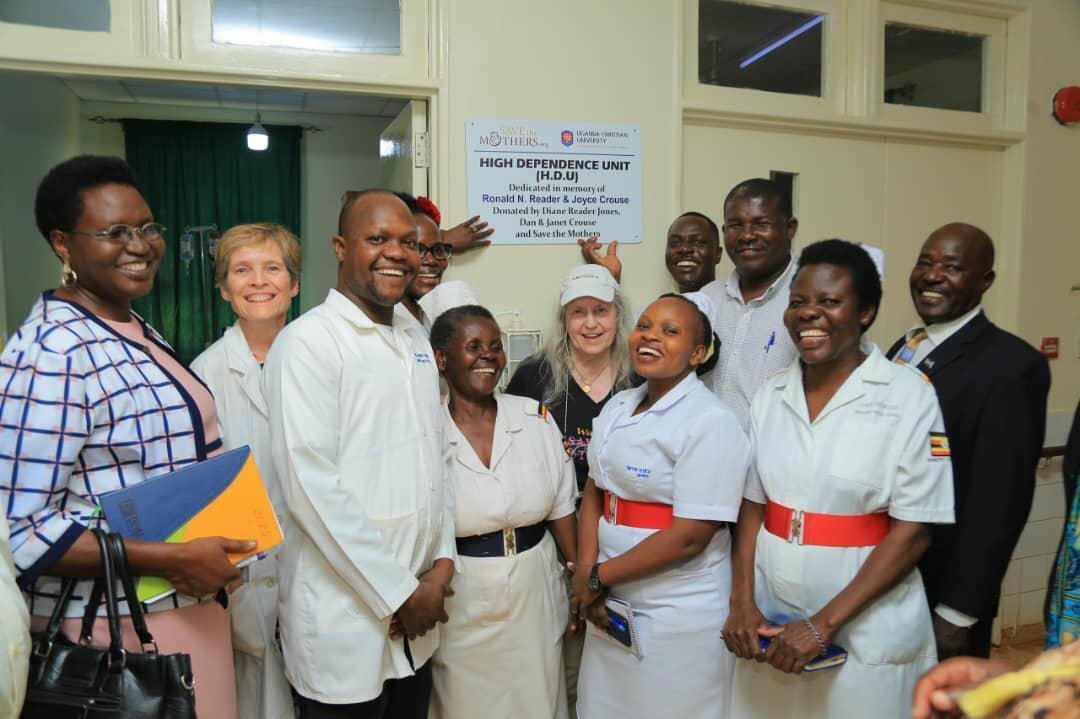
The Mother Baby Friendly Hospital Initiative (MBFHI) is STM’s flagship health systems strengthening program, implemented in more than 15 health facilities across Uganda.
The initiative promotes safe, respectful, and dignified maternity and newborn care through a comprehensive 10 step quality improvement framework. STM works alongside health facilities, government stakeholders, and health professionals to strengthen systems, improve service quality, and enhance patient experiences.
Support includes training, mentorship, quality improvement initiatives, infrastructure enhancement, and technical assistance tailored to local needs.
Impact
More than 15 health facilities supported
Improved quality of maternity and newborn care
Strengthened health worker skills and facility systems
Increased capacity to manage maternal and newborn complications